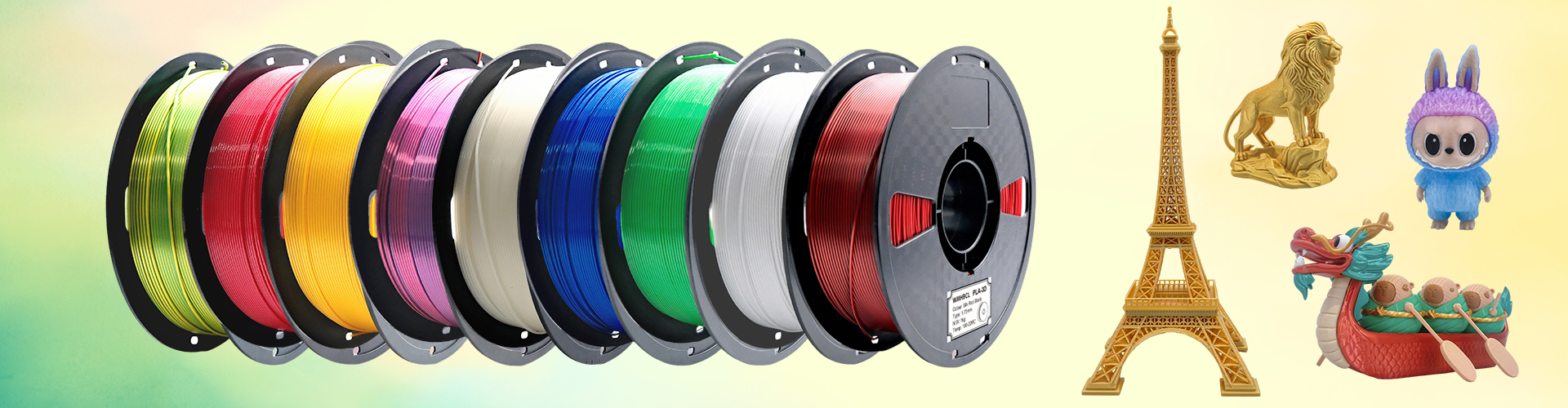
3D printing technology has given packaging more possibilities. 3D printing can achieve "design as production" by visualizing design concepts through design, modeling, and printing. This not only facilitates evaluation and communication, but also improves the speed of design work, simplifies the process of prototype production and trial production, controls costs, and shortens the product launch cycle.
At present, 3D printing technology has played a role in consumer goods, cosmetics packaging, prototype design, beverage packaging and other fields.
Specifically, the application of 3D printing in the packaging industry can be divided into four aspects:
1. Personalized product packaging
In the fiercely competitive market environment, product homogenization is inevitable. Personalized design in packaging can help increase product attractiveness and enhance consumer engagement. 3D printing technology makes personalized and rapid production possible.
2. Personalized packaging, complex structure, rapid prototyping
As mentioned earlier, 3D printing technology can quickly print packaging samples of different designs, helping companies conduct testing before formal production, saving time and costs.
In addition, using 3D printing, designers can create complex internal structures, so that products can be better fixed in the packaging, while reducing dependence on traditional materials such as foam. This design not only improves transportation efficiency, but also reduces packaging costs.
3. Personalized customized packaging and flexible manufacturing technology
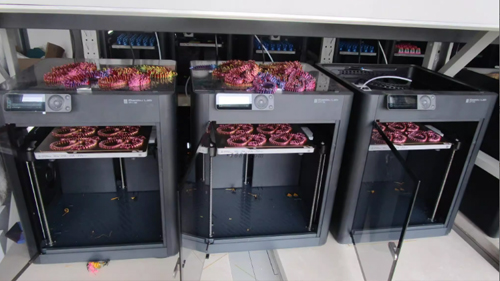
Some high-end handmade products have the characteristic of small batch sizes, and traditional packaging methods are often not cost-effective. With the further popularization of 3D printing, small 3D printing farms can design unique packaging for each product to meet the market's demand for personalized and high-quality products.
In addition, we can also create personalized shopping bags and other items through 3D printing.
4. Environmentally friendly packaging
Currently, some companies are using 3D printing technology and biodegradable materials to produce environmentally friendly packaging. This type of packaging not only achieves the function of protecting the product, but also degrades in a certain environment after use, which is more in line with the trend of sustainable development.
The application of 3D printing technology in the packaging industry is gradually changing our traditional understanding of packaging. From personalized design to the use of environmentally friendly materials, to rapid prototyping and complex structural design, these innovative applications have higher design freedom and scalability, support decentralized manufacturing, and can more flexibly meet industry needs.
With the continuous advancement of technology and materials, future packaging will be more intelligent and environmentally friendly, truly achieving deep connection with consumers.